
Lincoln Wheat Penny Worth $12.8 Million: The world of coin collecting has its fair share of legends, but none quite as captivating as the story of the 1943 copper Lincoln Wheat Penny. A simple one-cent piece, born out of a minting error during World War II, is now worth an eye-popping $12.8 million. The remarkable thing? These rare coins are still out there, circulating in pockets, change jars, and rolls of coins waiting to be discovered by an unsuspecting individual.
In this post, we’ll dive into the history of the 1943 copper Lincoln Wheat Penny, why it’s worth millions, and how it might just be hidden in plain sight, possibly waiting to make its next owner a fortune.
The 1943 Copper Lincoln Wheat Penny: A Wartime Minting Mistake
In 1943, the United States was deep into World War II, and copper was in high demand for ammunition and other military uses. To conserve copper, the U.S. Mint decided to strike pennies using zinc-coated steel instead of the traditional copper. This was part of an effort to help with the war effort by repurposing materials.
However, during the minting process, some copper planchets (blank metal discs used for striking coins) that were leftover from previous years accidentally ended up in the presses. These copper planchets were mistakenly struck with the 1943 date, creating a small but significant number of 1943 copper pennies.
While most of the 1943 pennies were made of steel, these copper pennies stand out, and the minting error has made them one of the most valuable mistakes in U.S. coin history.
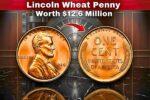
Why Is the 1943 Copper Penny Worth Millions?
The 1943 copper penny is not just a rare coin it’s a numismatic treasure for several reasons:
1. Rarity
While the U.S. Mint produced over a billion steel pennies in 1943, only about 20 authentic copper 1943 pennies are believed to exist today. This makes them one of the rarest coins in the world, and their value has skyrocketed over the years due to their scarcity.
2. Historical Context
The 1943 copper penny holds deep historical value. It was created during a time of war, when resources were scarce, and materials had to be conserved for military purposes. The error is a fascinating snapshot of wartime production, as the U.S. Mint inadvertently produced a coin that would later become a symbol of U.S. wartime ingenuity and mistake.
3. Demand Among Collectors
Coin collectors covet the 1943 copper penny because of its rarity and its status as a “Holy Grail” among rare coins. As fewer of these coins remain in circulation, the demand among collectors continues to increase, pushing the price ever higher. The market for error coins like the 1943 copper penny is fierce, and collectors are willing to pay astronomical sums for the privilege of owning one.
4. Condition and Grading
The value of a 1943 copper penny is heavily influenced by its condition. Coins that are in excellent condition can fetch a much higher price than those that have wear and tear. The coin that recently sold for $12.8 million was graded as MS 64 Red by the Numismatic Guaranty Corporation (NGC), meaning it was in near-perfect condition, which significantly increased its value.
The $12.8 Million Penny: A Record-Breaking Sale
In a landmark auction, one 1943 copper Lincoln Wheat Penny sold for a record-breaking $12.8 million. This stunning sale shattered previous records for Lincoln Wheat Pennies, underscoring just how valuable and sought-after these rare coins have become.
The coin in question was an example of a high-quality MS 64 Red, which means it was in exceptional condition for a coin of its age. The buyer, whose identity has been kept private, paid a hefty premium for this piece of numismatic history. It was the highest price ever paid for a Lincoln Wheat Penny, and one of the most expensive coins ever sold at auction.
This sale is a testament to the growing value of rare coins and the increasing interest in coin collecting as both a hobby and an investment. With every new auction, the demand for historic error coins continues to rise, and prices are expected to keep climbing.
Still Circulating in Your Change
What makes the story of the 1943 copper penny even more remarkable is that some of these rare coins are still in circulation today. While the vast majority of the copper pennies have been collected or locked away in private collections, a few may still be hidden in everyday change.
While steel pennies from 1943 are easy to distinguish by their silver color and magnetic properties, the copper pennies can be more difficult to spot. This is why, despite their extreme rarity, they continue to slip through the cracks and into circulation.

How to Identify the 1943 Copper Penny
If you come across a 1943 penny and think it might be the rare copper version, here’s how you can identify it:
- Color: The most obvious difference is the color. Copper pennies have a reddish-brown hue, while the 1943 steel pennies are silver and shiny.
- Magnetic Test: Steel pennies are magnetic, whereas copper pennies are not. A simple test with a magnet will help you differentiate between the two.
- Weight and Sound: Copper pennies are slightly heavier than steel pennies. They also produce a different sound when dropped or tapped.
If you find a penny that looks like it might be a copper 1943, you might be holding a small fortune. It’s important to check your change carefully and, if you’re uncertain, consult an expert or have it authenticated.
What to Do If You Find One
If you believe you’ve found a 1943 copper Lincoln Wheat Penny, do not spend it! These pennies are worth far more than their one-cent face value, and spending one could be a huge mistake. Here’s what you should do next:
- Authenticate the Coin: Have the penny authenticated by a reputable professional grading service such as PCGS or NGC. Authentication is essential, as there are many counterfeit or altered versions of the 1943 copper penny.
- Get It Graded: Once authenticated, the penny will be graded for its condition. A high-quality, well-preserved penny will fetch a far higher price than one that’s damaged or worn.
- Consider Selling or Holding: Once your coin is authenticated and graded, you can decide whether to sell it at auction or keep it in your collection as an investment. The value of rare coins tends to increase over time, so you could see significant returns in the future.
How to Spot Other Rare Coins
The 1943 copper penny is not the only rare coin worth looking for. Many other coins from different eras have error varieties or rare features that can make them extremely valuable. Here are a few tips on what to look for:
- Look for Minting Errors: Common minting errors like double strikes, off-center coins, or die cracks can add substantial value to a coin. Study common errors to familiarize yourself with them.
- Look for Rare Dates and Mint Marks: Certain coins from specific years or mints are rarer than others. For example, coins minted in limited numbers, such as the 1913 Liberty Head Nickel, are highly valuable.
- Pay Attention to the Condition: The better the condition of the coin, the higher its value. Coins that have been well-preserved or remain in pristine condition are worth significantly more than those that are damaged or worn.
Final Thoughts: The Thrill of Coin Collecting
The story of the 1943 copper Lincoln Wheat Penny that sold for $12.8 million highlights the excitement and potential of coin collecting. While finding such a rare coin in your change is incredibly unlikely, it serves as a reminder that treasures can still be hidden in the most ordinary of places. Whether you’re an experienced collector or just getting started, the world of numismatics is filled with surprises and potential riches.

So, next time you’re going through your spare change or looking through old coin collections, remember that a simple penny could be worth much more than you think. With a bit of luck and knowledge, you could be the next person to discover a coin worth millions.