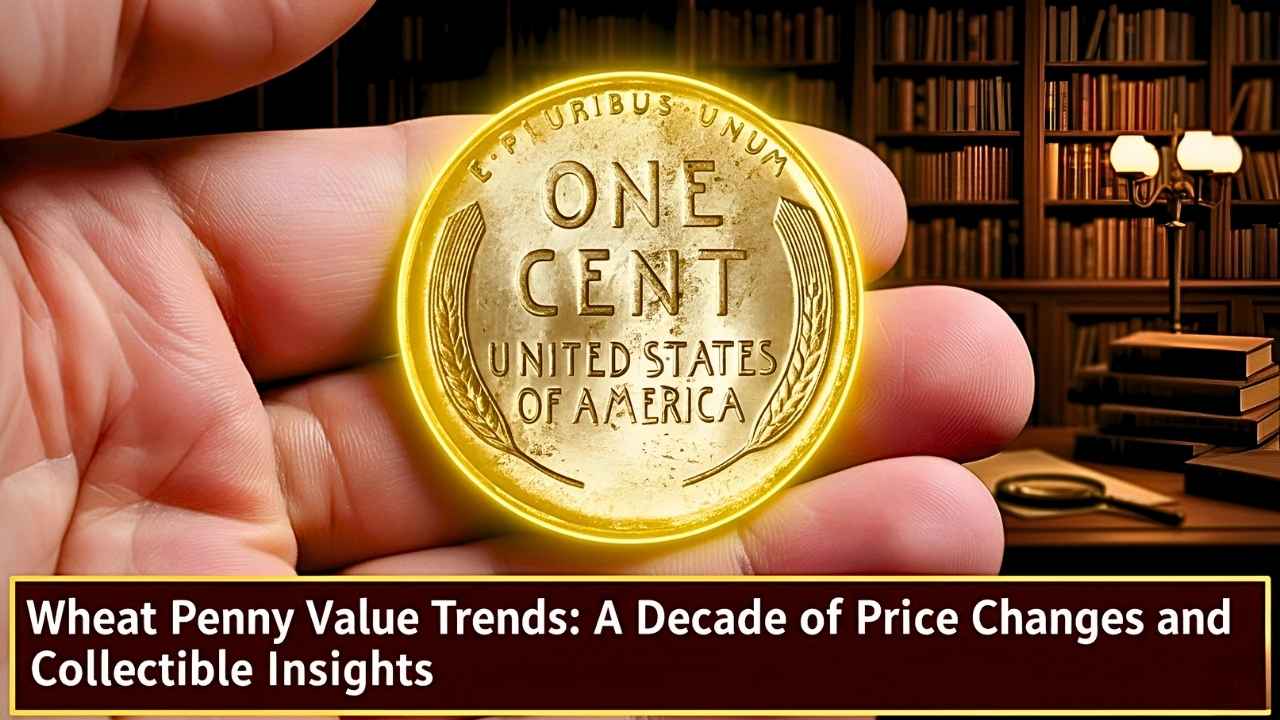
Wheat Penny Value Trends: Wheat pennies, a staple of American currency from 1909 to 1958, have long been cherished by collectors and numismatists alike. These small copper coins, known for their wheat stalks depicted on the reverse, tell a story of American history, from the Great Depression to post-war economic prosperity. As we look back over the past decade, it’s evident that the value of wheat pennies has evolved in intriguing ways, influenced by a variety of factors. In this article, we’ll explore the key trends in wheat penny values over the last ten years, providing insights into what makes these coins collectible today.
The Rise of Interest in Coin Collecting
Over the past decade, the world of numismatics has seen a resurgence in popularity. Collecting coins, including wheat pennies, has become a hobby that spans generations. The global pandemic, which prompted many to stay at home, led to a surge in interest in both new and vintage collectibles. As people spent more time researching, sorting through old change, and exploring online auctions, wheat pennies became an attractive choice for both beginner and seasoned collectors. The historical significance of these coins, combined with their relatively low cost, has made them an appealing entry point for those new to the hobby.
The Role of Condition in Wheat Penny Values
One of the primary factors driving the value of wheat pennies is their condition. Coins that have been well-preserved are far more valuable than those showing significant wear. Over the last decade, the market for high-grade wheat pennies has expanded, as collectors seek out coins in better-than-average condition. The most coveted wheat pennies are those in uncirculated condition, or those with only minimal signs of wear. These coins can command prices that are significantly higher than those in average circulated condition. For example, a 1943 copper wheat penny (which was accidentally minted instead of the usual steel version) in mint state can fetch tens of thousands of dollars, a far cry from its face value.

The introduction of third-party grading services has also played a role in determining wheat penny values. Coins that are graded by reputable services like the Numismatic Guaranty Corporation (NGC) or the Professional Coin Grading Service (PCGS) often see higher market values due to the trust that buyers place in these grading systems. Over the past decade, the number of wheat pennies being graded and certified has increased, which has led to a more transparent and consistent pricing structure for collectors.
Key Wheat Penny Dates and Rarities
While the condition of a wheat penny is important, the year and mintmark also play a significant role in determining its value. Over the past decade, collectors have increasingly focused on certain rarer years, where fewer coins were minted or where mistakes were made during production. Some of the most sought-after wheat pennies in recent years include:
- 1909-S VDB: The first year of the wheat penny, featuring the initials of designer Victor David Brenner (VDB) on the reverse. The 1909-S VDB is one of the most valuable and collectible wheat pennies, with well-preserved examples fetching tens of thousands of dollars in the market.
- 1922 No D: This rare error coin, minted in 1922 without a mintmark, has garnered significant attention over the last decade. The “No D” is one of the most well-known errors in coin history, and a high-quality example can easily exceed $10,000.
- 1931-S: The 1931-S wheat penny is another sought-after date, as only 866,000 were minted. Due to its scarcity, this coin can fetch a premium price in higher grades.
The increasing awareness of these rare dates has led to a surge in prices for these specific coins, especially in the last few years. Collectors have also turned to online platforms and auctions to search for these rarities, further driving up the demand.

The Impact of Inflation and Market Trends
As with any commodity, inflation and overall economic trends play a role in the value of wheat pennies. Over the past decade, the United States has experienced periods of inflation, which has resulted in a gradual increase in the value of many collectibles, including wheat pennies. As the price of copper has fluctuated, so too have the values of coins containing copper, such as the wheat penny. The rise in precious metal prices, especially during periods of economic uncertainty, has given more collectors and investors the incentive to buy and hold rare or high-grade coins.
Additionally, the trend toward investing in tangible assets has bolstered interest in coin collecting as a form of investment. Wheat pennies, though not typically seen as an “investment-grade” asset like gold or silver, have experienced price increases over the years as they have become viewed more and more as both collectibles and potential investments. Coins in higher demand, especially rare errors and key dates, have seen price appreciation well beyond what could have been predicted a decade ago.
The Popularity of Coin Shows and Online Platforms
The past decade has also seen a significant increase in the number of coin shows and online platforms dedicated to buying and selling collectible coins. Events like the American Numismatic Association’s (ANA) World’s Fair of Money and various regional coin shows have attracted a growing number of collectors and dealers. These shows provide a space for collectors to meet, exchange knowledge, and purchase coins, including wheat pennies.
In parallel, online platforms such as eBay, Heritage Auctions, and others have made it easier than ever for collectors to find and purchase rare coins. The accessibility of these platforms has expanded the market for wheat pennies, making it easier to track trends and monitor prices. Auctions, in particular, have allowed collectors to discover rare finds and secure them at competitive prices, while also offering insight into the rising value of specific coins.
What’s Next for Wheat Penny Values?
As we look toward the future, the value of wheat pennies is expected to continue its upward trend, particularly for high-grade examples and rare varieties. The growing interest in coin collecting, coupled with the increasing value of precious metals and other tangible assets, suggests that wheat pennies will remain a popular collectible for years to come. However, it is important to remember that the market for collectible coins can fluctuate, influenced by broader economic factors and shifts in collector preferences.
For those considering investing in wheat pennies or adding them to their collections, staying informed and monitoring current trends is crucial. Whether you’re a seasoned numismatist or a newcomer to the hobby, the last decade has proven that wheat pennies hold significant potential, both in terms of historical value and financial worth.
Conclusion
Wheat pennies have experienced remarkable price changes over the past decade, with their value driven by a combination of collector demand, economic factors, and the increased interest in coin collecting. From rare error coins like the 1922 No D to iconic issues like the 1909-S VDB, wheat pennies continue to captivate collectors with their historical significance and potential for investment. As the market evolves, it’s clear that these beloved coins will remain an essential part of the American numismatic landscape for years to come.